
SpaceX’s CRS-35 cargo Dragon undocked from the International Space Station at 12:05 p.m. Eastern on November 20, 2026, starting its return to Earth with research samples and equipment. NASA reported that the uncrewed spacecraft separated from the space-facing port of the Harmony module after a command from SpaceX ground controllers. The agency was targeting splashdown off California at about 4:55 p.m. Eastern on November 21, subject to conditions in the recovery area. NASA’s undocking confirmation · NASA’s recovery advisory
What is coming back
NASA listed a 3D-bioprinted blood vessel model among the return payloads. The project uses the model to investigate questions about vascular aging and cardiovascular disease. The sample’s return lets researchers continue examining it with equipment on the ground. NASA also listed frozen tumor organoids, which are laboratory-grown cell structures used to model aspects of tumors. The agency described those samples as part of research into cancer treatment and personalized medicine. The return of these samples gives the teams material to analyze. The advisory supplied no results from the experiments. NASA’s description of the research cargo
Dragon is also bringing back a lighting system that spent more than three years on the station. Researchers used it to study how lighting might support sleep and well-being on long missions. It is a different kind of return cargo from a frozen sample. Scientists studying tissue models need to examine biological material after a flight, while an engineering team can inspect the hardware itself after years of use. Both kinds of cargo benefit from a spacecraft designed to bring equipment and specimens back from orbit. NASA’s return cargo advisory
A supply flight in both directions
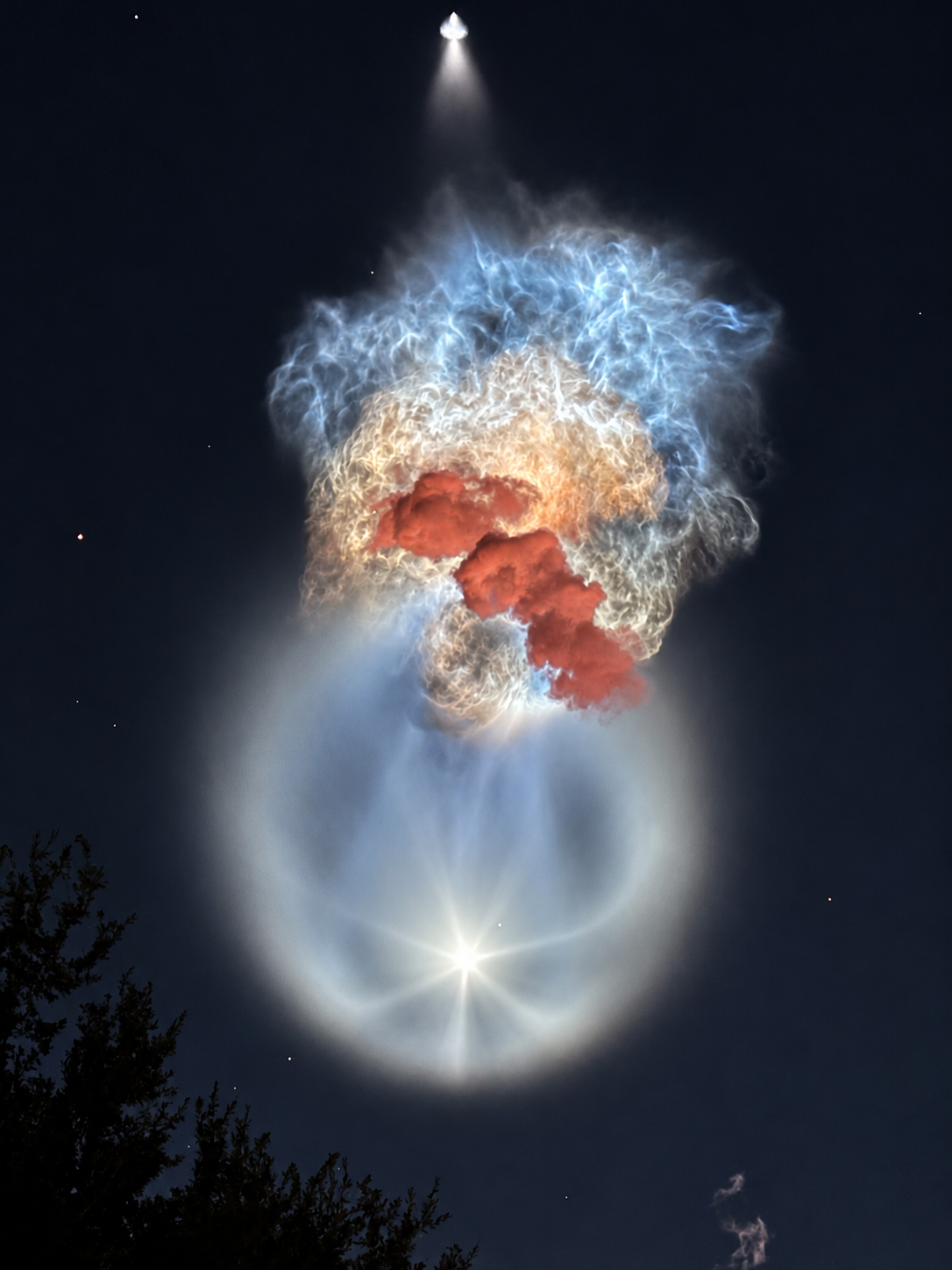
The CRS-35 mission began October 13 with a Falcon 9 launch from Cape Canaveral Space Force Station. Dragon reached the station on October 15, delivering more than 6,300 pounds of supplies, experiments and equipment, including roll-out solar arrays. That figure describes the outbound load. NASA separately described the returning cargo as thousands of pounds and did not give an exact return weight in its advisory. The outbound and return trips serve different needs: the first supplies the orbiting laboratory, while the second gives researchers and engineers access to material and equipment that have spent time there. NASA’s docking report · NASA’s departure advisory
California recovery is the next milestone
The station departure moves the mission beyond the weather-related delay announced earlier in the week. The next milestone is splashdown off California, followed by recovery of the spacecraft and its cargo. NASA said it would post updates on its space station blog and would not provide a live splashdown stream. Space.com independently reported the departure and the planned return. NASA’s post-undocking update · Space.com’s coverage
Sources
NASA undocking confirmation · NASA recovery and research cargo advisory · NASA docking report · Space.com · NASA Image and Video Library featured photograph
Featured photograph: NASA/Bill White, public domain. The image shows the October 13 launch plume from CRS-35.






No comment