
Published November 24, 2026
Before Milt Thompson flew the rocket-powered X-15, he took another experimental aircraft into the air over Edwards, California. It was built with plywood and steel tubing and had no conventional wings. A tow plane brought it up. Thompson released and flew it as a glider. The flight on August 16, 1963, was the first piloted lifting-body flight recorded in NASA’s biography of Thompson.
An engineer in the cockpit
Milton O. Thompson joined the flight research facility at Edwards in 1956 as an engineer. At the time it was still part of the National Advisory Committee for Aeronautics, the organization that preceded NASA. He became a research pilot in January 1958. The change put him in a position to fly the kinds of machines whose behavior the center had been established to investigate.
Thompson was an early supporter of engineer R. Dale Reed’s lifting-body proposal. He urged center director Paul Bikle to approve construction of the lightweight M2-F1, according to NASA’s account accompanying a photograph of Thompson on the lakebed. His role in the project began before he took the controls. A pilot could help determine whether a proposed test was worth trying, then supply firsthand evidence once the vehicle was ready.
What the glide could teach
A lifting body uses the shape of its fuselage to generate much of the lift that keeps it in the air. That approach was of interest to researchers considering how a vehicle might return from space and land on a runway. The M2-F1 provided an inexpensive way to study the low-speed part of the problem. Towing it to altitude gave the pilot a chance to assess the glide and approach in free flight.
NASA credits Thompson with 47 M2-F1 flights. He also flew the first five flights of the all-metal M2-F2, beginning July 12, 1966. Those were different vehicles, and each had its own handling characteristics. The lightweight prototype gave the researchers experience with the concept. The heavier aircraft gave them another way to investigate the forces, speeds and control demands involved in making it practical. NASA’s flight record for Thompson.
From glides to the X-15
Thompson began flying the X-15 on October 29, 1963, a little over two months after his first M2-F1 glide. He made 14 flights in the rocket-powered aircraft over the following two years. NASA lists a top speed of Mach 5.48 and a maximum altitude of 214,100 feet for Thompson, reached on separate flights. Those figures describe a different range of flying from the glider tests, yet both programs brought pilots and engineers together to learn from vehicles built for research.
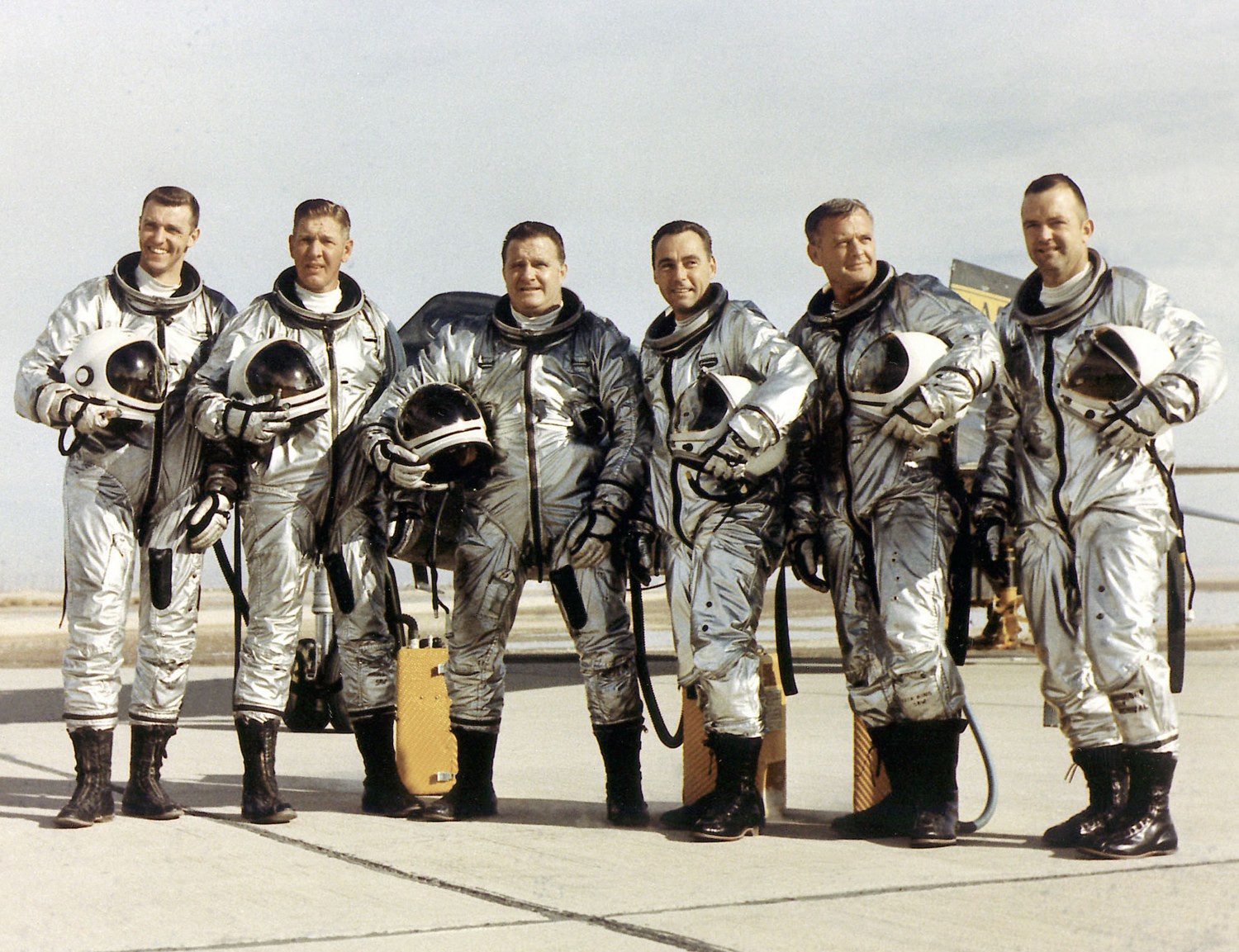
The photograph with this profile shows Thompson second from the right alongside five other X-15 pilots. The group included people flying for NASA and the military services during the program. NASA’s X-15 pilot roster identifies the pilots who flew the aircraft, and the photograph’s archive record identifies the people in the frame.
Back to engineering
Thompson’s active flying career ended in 1967. He became chief of research projects two years later and chief engineer in 1975, a position he held until his death in 1993. In his time at Edwards he worked on both sides of the flight-test process, where technical decisions lead to flights and the results of those flights inform the next decisions. His early support for the M2-F1 and the glides he flew illustrate how closely those roles can fit together. NASA’s career biography.
Featured photograph: NASA, GPN-2000-000143, public-domain U.S. government imagery.






No comment