
General aviation tenants at Salt Lake City International Airport will get six more months at their current hangar rates under a revised schedule reported by the Aircraft Owners and Pilots Association on November 19. The airport’s first increase for a single hangar now starts July 1, 2027, at $487.63 a month. An earlier notice would have raised the monthly rate from $341 to $628 on January 1 and to $914 on July 1.
The change gives aircraft owners time to budget for higher costs. It also changes how quickly those costs arrive. At the January rate originally proposed, a tenant would have paid $287 more each month. Under the revised schedule, there is no January increase and the July increase is $146.63 a month. The airport still plans annual increases after that, reaching $1,047.01 a month for a single hangar on July 1, 2030, according to AOPA.
How the two notices differ
AOPA reported that the September 17 notice affected nearly 60 general aviation hangar tenants. Local members shared the notice with an Airport Support Network volunteer, and AOPA’s regional manager, Brad Schuster, contacted the Salt Lake City Department of Airports on September 25. The association asked for the financial and market research behind the proposed rates and questioned how the two large increases would fit with federal airport obligations.
Following a meeting with airport officials, AOPA said, the airport agreed to review the proposed increases. A replacement notice went out to tenants on October 22. It kept existing rates in place through June 2027 and set out a series of annual increases beginning the following month. AOPA’s report gives the first and last figures for a single hangar. Tenants with a different lease or hangar type will need the airport’s notice to confirm the amounts that apply to them.
What the revised schedule means for a single hangar
Using the figures AOPA reported, the earlier proposal would have cost $9,252 in rent during calendar year 2027 for a single hangar, assuming six months at $628 and six at $914. The revised schedule comes to $4,971.78 for the same period, assuming six months at $341 and six at $487.63. The difference is $4,280.22 in first year base rent. This comparison uses the published monthly amounts and excludes any other lease charges.
For owners who plan one year at a time, that difference is substantial. The longer view still matters. By July 2030, the announced rate for a single hangar is a little over three times the 2026 amount. The agreement therefore affects both near-term cash flow and the time tenants have to decide whether the space remains affordable as the later increases take effect.
Why airport rates enter the discussion
The Federal Aviation Administration’s airport rates and charges policy describes expectations for federally obligated airports, including reasonable rates and fees and the obligation to work toward financial self-sufficiency under the circumstances at each airport. The policy supplies context for AOPA’s questions about how the airport arrived at the original figures. The association’s report describes a revised schedule issued by the airport, without referring to an FAA ruling on either set of rates.
In this case, local members had the original notice and could give the association specific dates and dollar amounts. The airport’s response gave them time to plan for the first step and a stated endpoint in 2030. How individual tenants respond will depend on their lease terms and what other storage options they have in the Salt Lake City area.
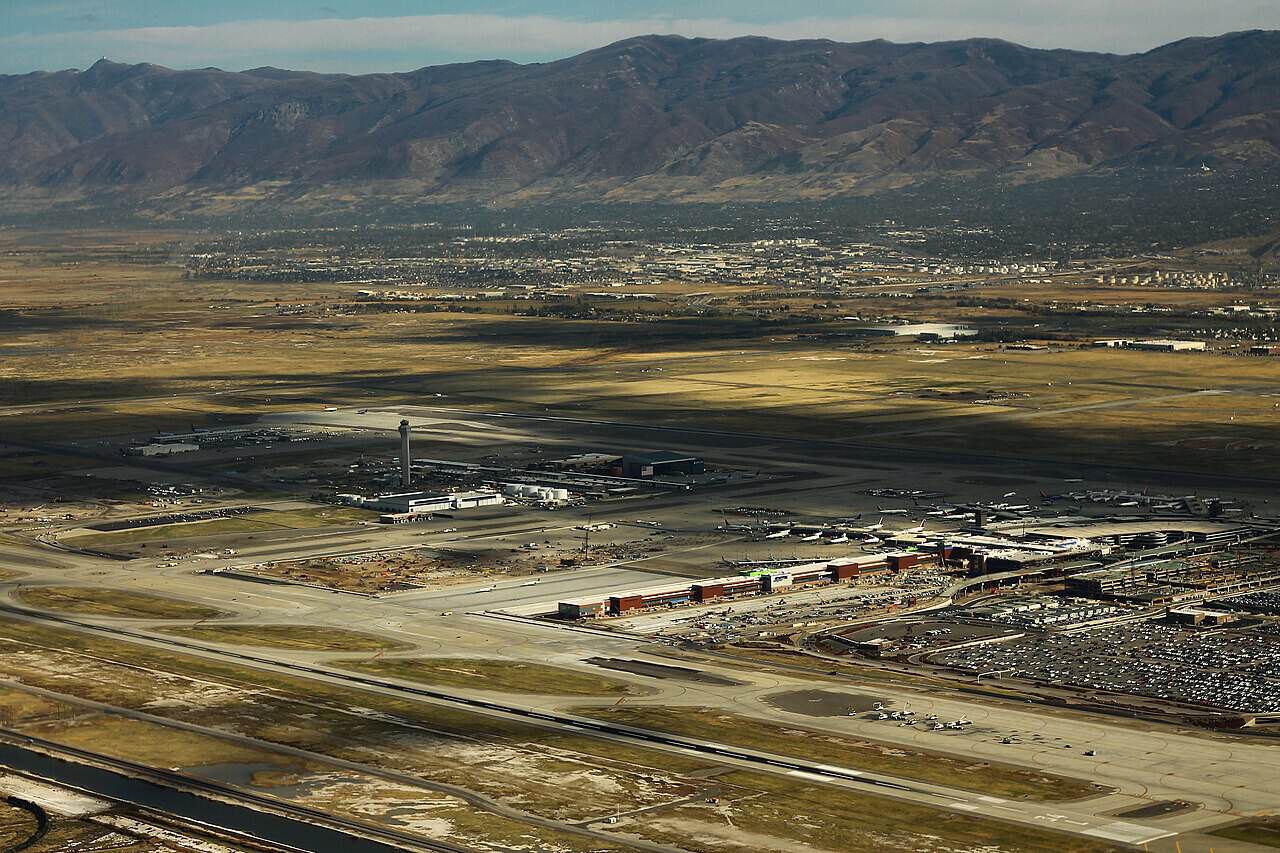
Featured photo: Salt Lake City International Airport in October 2018. Photo by formulanone via Wikimedia Commons, licensed CC BY-SA 2.0. Full frame resized. This aerial photograph gives airport context.
Sources
AOPA’s November 19 report on Salt Lake City hangar rates
FAA Policy Regarding Airport Rates and Charges







No comment