
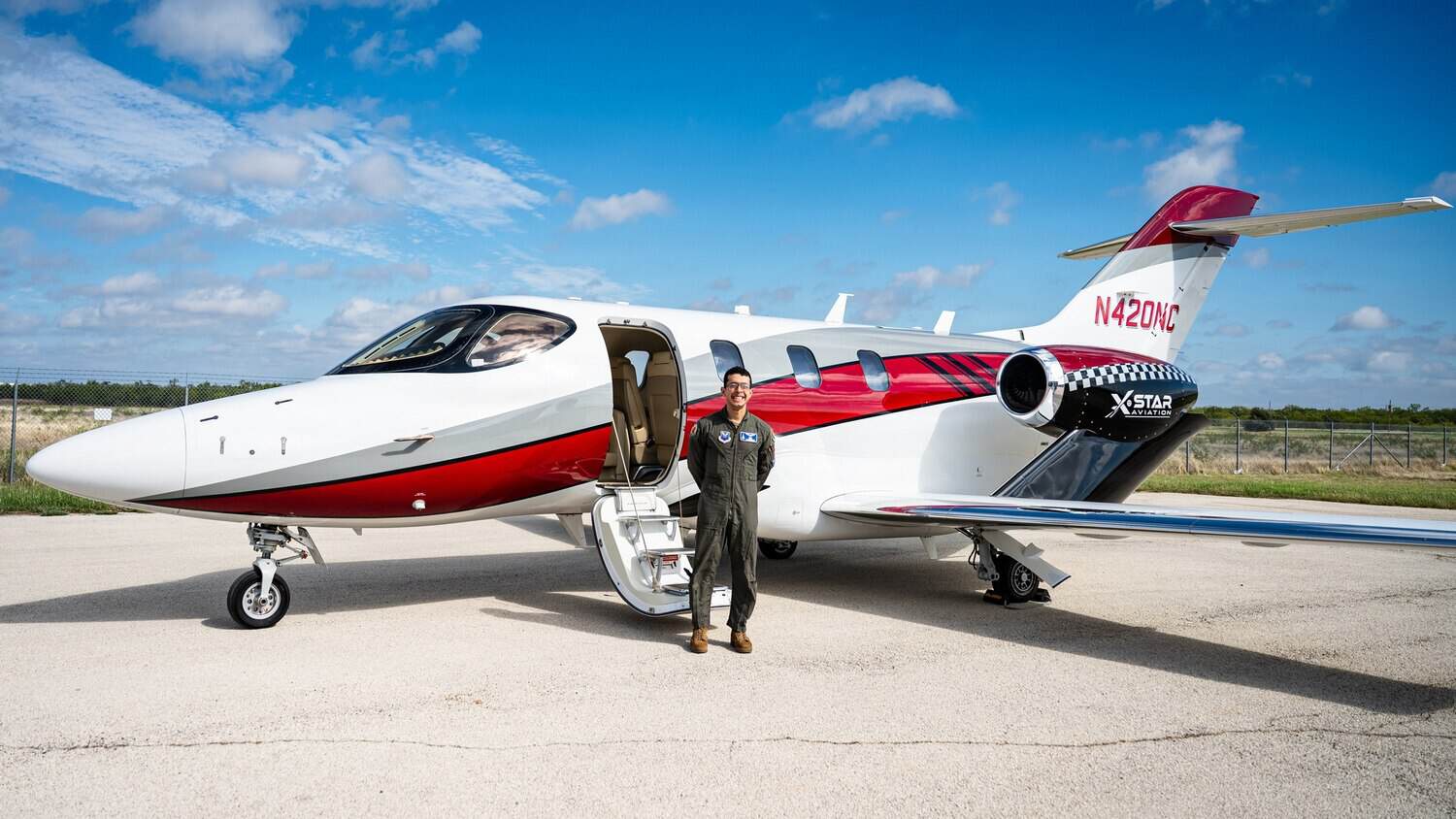
Air Force Global Strike Command has started a supplemental flight-training program for B-1B pilots in Abilene, Texas. The first military training flight took place Nov. 2 from Abilene Regional Airport. In a Nov. 5 announcement, the command said the prototype could give each pilot about 100 additional flying hours per year in a contractor-operated aircraft.
More time to practice basic airmanship
The program is called Bomber Supplemental Trainer for Aircrew Readiness, or BSTAR. The Air Force says the flights focus on instrument procedures, aircraft handling, planning and coordination in the cockpit. Flying in a different aircraft gives pilots another opportunity to work through changes in weather and traffic as they happen. The extra time is intended to reinforce skills they can bring back to their regular flying duties at Dyess.
The program adds a third setting alongside simulators and flights in the B-1B. Simulators let crews rehearse scenarios in a controlled environment, and flying the bomber develops familiarity with that aircraft and its systems. The civilian flights concentrate on tasks pilots can practice in a smaller aircraft. The Air Force says crews will continue to complete their existing B-1B training. Air Force training announcement.
A prototype based at Abilene Regional Airport
XSTAR Aviation supplies the aircraft and instructor pilots and handles maintenance and scheduling. The arrangement gives Dyess crews a way to add flying hours without drawing on additional B-1Bs or military maintenance personnel for those flights. The Air Force describes the roughly 100 hours per pilot as an expectation for the prototype. It has yet to report how many hours participants will actually log over a year.
The command plans to track and debrief the flights and use pilot feedback to evaluate the program. That review will help it decide whether to expand supplemental flying for B-1B crews. The accompanying photograph shows a pilot stepping out of a contractor-operated aircraft after the inaugural training flight. U.S. Air Force photograph by Senior Airman Jade Caldwell.
Sources
Air Force Global Strike Command via DVIDS — Supplemental flying program at Abilene





No comment