
The Federal Aviation Administration has issued a notice updating how air traffic facilities operate airport surface surveillance systems during equipment changes and outages. Notice JO 7210.981 takes effect Dec. 24, 2026. It describes a temporary configuration intended to preserve some surveillance and alerting when surface movement radar is unavailable for an extended period. FAA notice and effective date
What the system shows controllers
Airport surface surveillance gives tower controllers a map showing the positions of tracked aircraft and vehicles on the airfield. The FAA describes ASDE-X as a system that brings together information from multiple sensors to help controllers keep track of movements on runways and taxiways. It can also generate visual and audible alerts when the system identifies a potential conflict. A surface map is especially useful when darkness or poor weather limits what a controller can see from the tower. FAA technology overview
The surveillance picture and the alerts are related. The system first has to detect and follow a target to use its movements in a calculation about a possible conflict. A change in the sensors supplying the display can therefore change the set of aircraft and vehicles the system can take into account.
What changes during an extended outage
The new notice describes a configuration the agency calls cooperative-only mode. It allows FAA Technical Operations to adapt a site to use reports from equipped aircraft and vehicles while the surface movement radar is unavailable. The FAA says that core alerts remain available for the targets the system tracks and displays. The agency also specifies a lost-surveillance alert to flag a target that the system can no longer confidently track or identify. FAA operating procedures notice
The distinction is important. Keeping the alerting software running does not give it the same picture it would receive with its full set of sensors available. During cooperative-only operation, some surface traffic may be absent from the display because it cannot provide the required position reports. The notice also distinguishes a surface-radar outage from a loss of broadcast data, which the FAA addresses with a separate radar-only mode.
Why the update has a future effective date
The notice revises the FAA’s facility operations order to account for equipment replacement and other program changes. It also updates references to older equipment and revises language on how supervisors monitor system status and communicate changes. The Dec. 24 date is when the revised notice takes effect. It does not describe an outage underway at any specific airport.
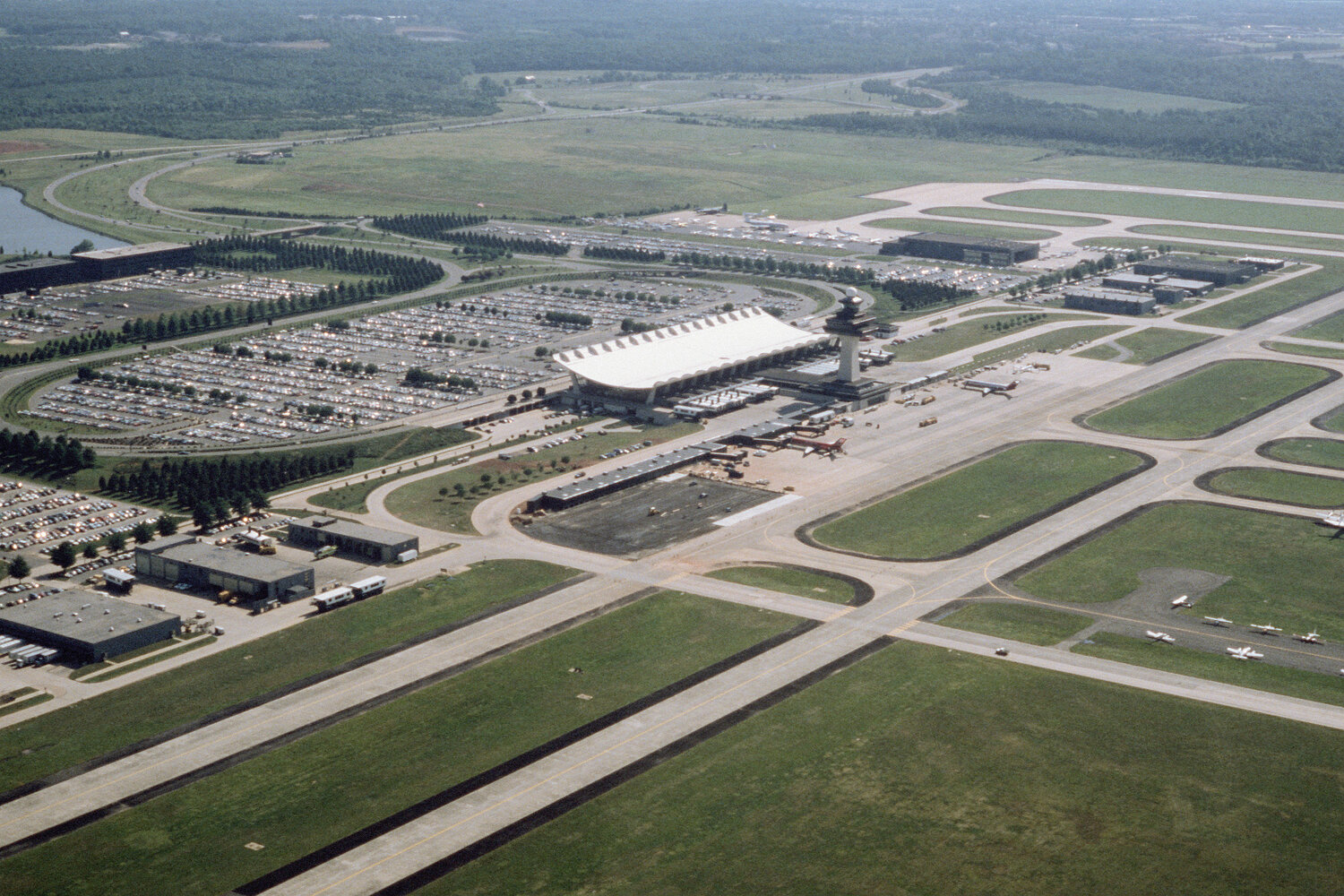
Featured photograph — Archival aerial view of Washington Dulles International Airport, June 25, 1985. U.S. Navy photographer PH1 David C. MacLean, public domain. Photo record and reuse rights
Sources
FAA — Notice JO 7210.981, Airport Surface Detection Equipment System Operating Procedures



No comment