
Published November 27, 2026
Malvinas Argentinas International Airport opened on the Ushuaia Peninsula on November 27, 1995. A Boeing 737 from Aerolíneas Argentinas made the first commercial landing, according to Ushuaia’s local historical chronology. That arrival marked the start of commercial operations at the new airport on the south coast of Argentina’s Tierra del Fuego.
What opened on November 27
The runway, taxiways, commercial apron, naval apron and control tower were all brought into use on inauguration day. Each part served a different purpose. The runway gave aircraft a place to land and depart. Taxiways connected that strip to the areas where aircraft could stop and be serviced. The tower tied those movements together, and the separate aprons provided parking areas for commercial aircraft and Argentina’s navy.
The local account records the registration of the first airliner as LV-LIV. That detail gives the opening a concrete moment: a specific aircraft from the national airline landed on the new runway on the day the facilities were inaugurated. The date is also given in a 2021 document filed in Argentina’s Chamber of Deputies, which describes the airport’s role in serving Tierra del Fuego.
Air access to southern Tierra del Fuego
Ushuaia sits on the north shore of the Beagle Channel, with its port on the bay and the airport on a peninsula. The two facilities offer different ways into the same city. The port serves vessels traveling through southern waters, while the airport can bring passengers directly to the region from elsewhere in Argentina. Visitors joining a voyage in Ushuaia may arrive by one mode and leave by the other. For residents, air connections serve everyday journeys as well as the seasonal traffic associated with tourism.
The airport’s southern location also gives it a role beyond ordinary domestic connections. The congressional document describes domestic destinations, seasonal or charter services involving Chile and Brazil, and use for Antarctic flights. That description reflects the airport’s range of uses as documented in 2021. It also helps explain why opening an airport on the peninsula mattered to a city whose transportation links are shaped by distance and by its position on the channel.
The airport and the city
A visitor arriving today can see how close the airport and the city are to the water. The surroundings are an important part of identifying the place, but the 1995 milestone concerns the airfield itself. The chronology records a working group of facilities opening together and an airliner landing on that first day. The inauguration therefore marks both a construction milestone and the start of an operation that would connect passengers to Ushuaia by air.
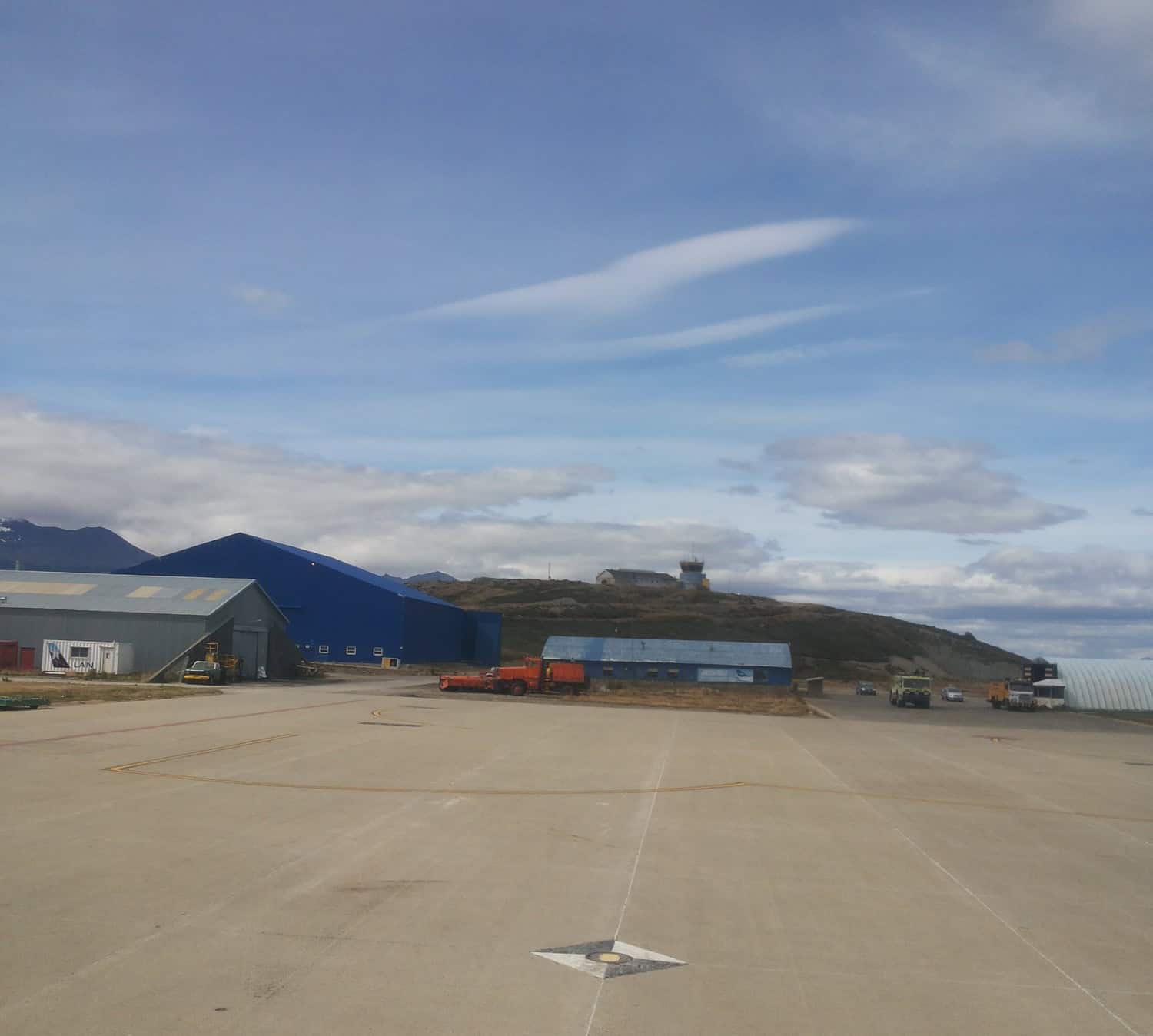
The 2015 photograph accompanying this feature records airport facilities two decades after the inauguration. Its later date gives readers a view of the site as it developed after that first commercial landing. The opening record, the congressional account and the photograph together show three stages of the airport’s story: the first day of operations, the airport in use years later, and its role in the region’s wider transportation network.
Featured photograph — Airport facilities in Ushuaia, 2015. Gastón Cuello / Wikimedia Commons, CC BY-SA 4.0. Full frame resized.
Sources
Argentina Chamber of Deputies, document 2148-D-2021
Ushuaia-Info, airport inauguration chronology
Wikimedia Commons, photograph and license record





No comment