
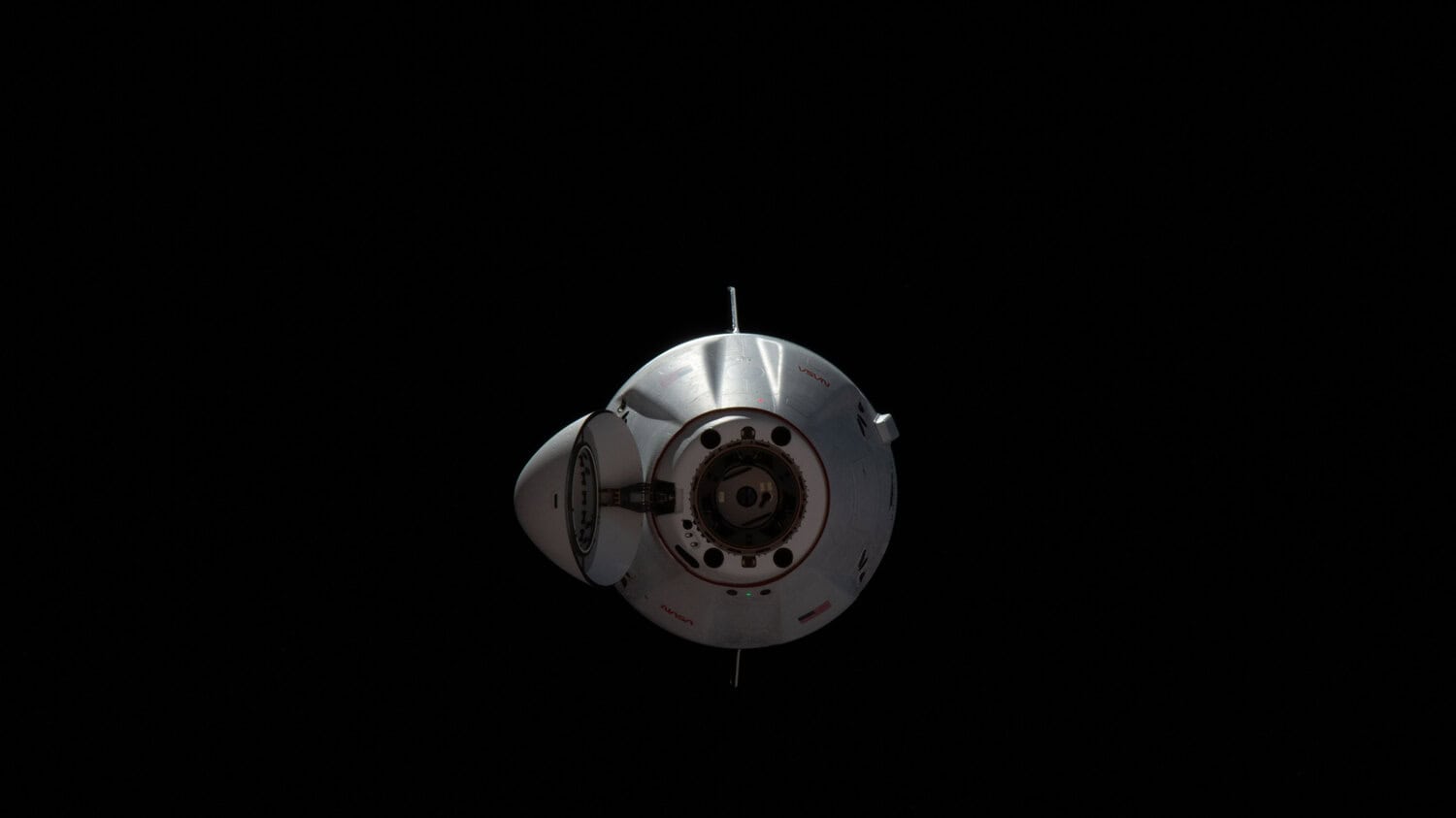
SpaceX’s CRS-35 Dragon splashed down in the Pacific Ocean near Los Angeles on Nov. 21 at 2:03 p.m. Pacific time, or 5:03 p.m. Eastern. NASA confirmed the landing, which completed its 35th SpaceX commercial resupply mission to the International Space Station. Dragon had undocked from the station at 12:05 p.m. Eastern the previous day.
What came back from orbit
The returning research included a bioprinted blood vessel construct. Researchers can use the model to examine how the space environment affects blood vessels and to explore questions about vascular aging and cardiovascular disease. The construct gives researchers a physical sample to examine after flight, alongside whatever measurements they collected during the experiment.
Dragon also carried frozen tumor organoids treated on the station. Organoids are three-dimensional cell models that reproduce some features of the tissue they represent. Researchers can examine how those models responded to treatment. Any implications for cancer care depend on what the follow-up work finds.
A separate set of frozen samples came from research on antibiotic-resistant bacteria. NASA said scientists will use the samples to study how the bacteria survive and change in space. These samples address a different question from the organoids and blood vessel model. The three investigations share a need to bring biological material back to laboratories for further study. NASA’s return cargo summary describes the samples aboard.
A lighting experiment ends more than three years aboard
The flight also returned a lighting system after more than three years on the station. Researchers tested whether the system might help support sleep and well-being on long missions. The return closes the orbital portion of that hardware’s time on the station. NASA’s landing announcement did not report results from the lighting trial or the biological investigations.
From Florida launch to Pacific recovery
CRS-35 launched Oct. 13 on a Falcon 9 from Space Launch Complex 40 at Cape Canaveral Space Force Station and arrived at the station Oct. 15. The spacecraft delivered more than 6,300 pounds of supplies and scientific cargo on the outbound leg. The accompanying NASA photograph shows that October approach. On the return leg, the spacecraft carried a different load, including material the station’s crew had worked with in orbit.
The agency’s announcement confirms where and when the spacecraft came down. For the research teams, the samples’ arrival makes the next stage possible: examining what changed during the experiments and deciding which findings merit further study.






No comment