
Published November 23, 2026
On March 10, 1967, U.S. Air Force pilot Robert Pardo was flying an F-4 Phantom II alongside another two-seat Phantom when his wingman’s aircraft lost fuel after taking damage. The aircraft, flown by Capt. Earl Aman with 1st Lt. Robert Houghton in the rear seat, could not reach friendly territory under its own power. Pardo and his own backseater, 1st Lt. Steve Wayne, stayed with them. The resulting rescue became known as Pardo’s Push. It was the work of two crews trying to turn an emergency in the air into a situation that rescuers on the ground could actually reach.
The objective changed in the air
The Air Force account published by DVIDS identifies all four men and traces the trouble to damage to the fuel tank of Aman’s Phantom. Once the fuel was gone, the distance remaining mattered in a different way. The crew did not have to get all the way back to its base for the rescue to succeed. It needed to stay airborne long enough to reach a place where parachuting out offered a better prospect of recovery. A boundary that would normally be just a line on a chart became the immediate destination.
Pardo used his Phantom to help carry the crippled aircraft farther. The episode involved physical contact between airplanes that had never been designed to work that way. Each crew had to keep track of what the other aircraft was doing and manage its own emergency at the same time. The important result was distance gained. Pardo and Wayne were also flying a damaged aircraft, and eventually both crews had to abandon their Phantoms. All four survived and were recovered.
Why the other three names matter
The familiar name gives the episode a central character, but the relief of reaching a rescue area depended on people in both cockpits. Aman and Houghton were responsible for their own airplane through the emergency. Wayne shared Pardo’s flight and the risks that came with staying alongside them. The rescue also depended on the people who recovered the crews after they came down. Getting to a place where they could be picked up solved one part of the problem. The recovery closed the rest of it.
Seen that way, the rescue illustrates a broader skill than handling an airplane under pressure. The flight crews had to recognize that the original plan no longer fit the situation and agree on a different goal while the available time was shrinking. Every additional mile was valuable only insofar as it improved the crews’ chances after they left their aircraft. That clear limit is part of what makes the decision understandable even to someone who has never flown a Phantom.
How the Air Force remembered it
The Air Force’s Veterans in Blue profile credits Pardo with helping save his wingmen and records his Silver Star. Air & Space Forces Magazine’s account provides additional context about his service and the delayed recognition of the episode. Decades later, Pardo returned to speak with Airmen, giving people who knew the story by its nickname a chance to hear from one of the pilots involved.
Pardo belongs in aviation history because he recognized that the other crew could still be helped and stayed with them while the options narrowed. The episode also belongs to Wayne, Aman, Houghton, and the rescue crews. Four men came home from an emergency in which getting even a little farther made a decisive difference.
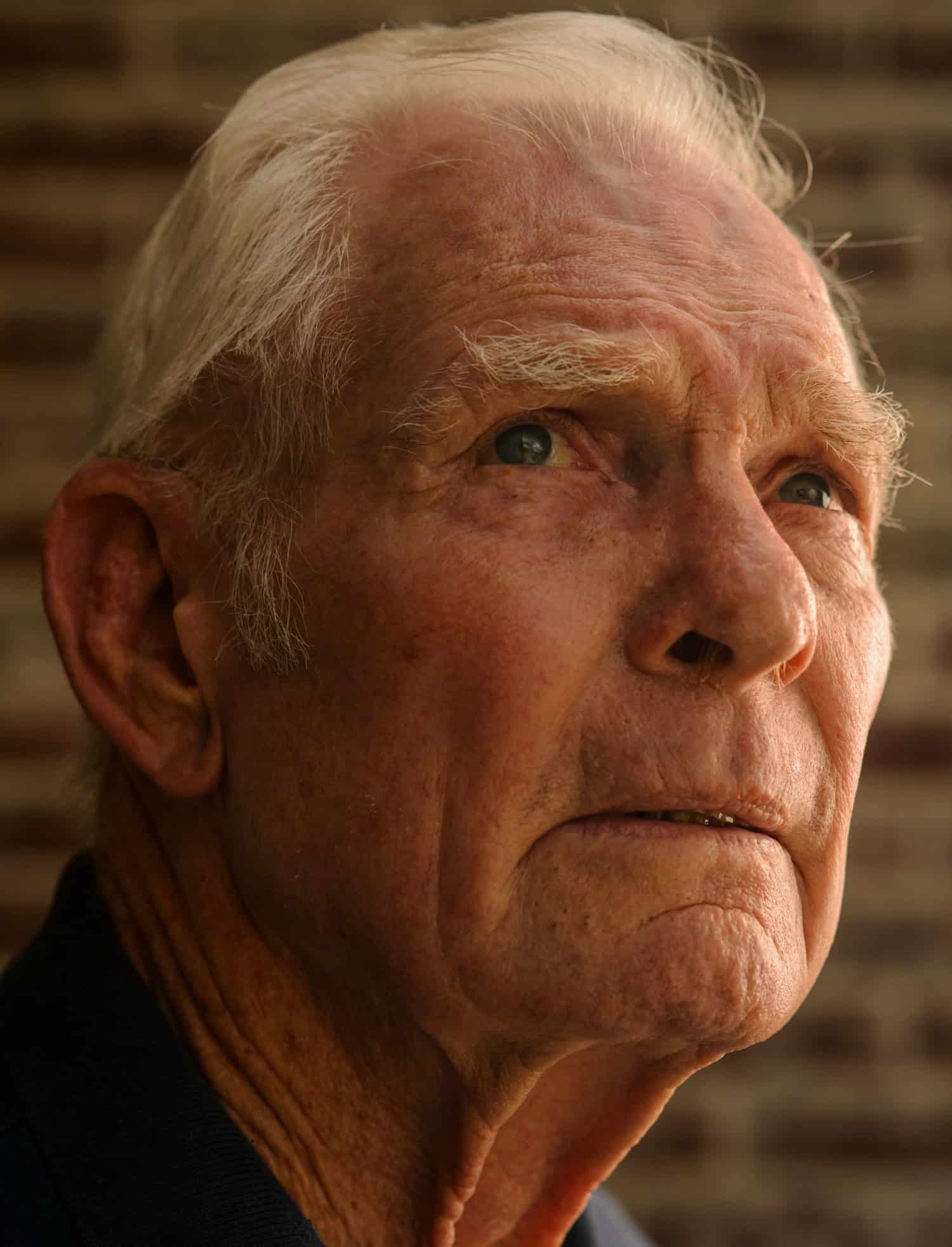
Featured photograph: Retired Lt. Col. Robert Pardo in 2015. U.S. Air Force photo by Senior Airman David Cooper, DVIDS 2271824, public domain. Full frame resized.
Sources
U.S. Air Force, Retired Lt. Col. Robert Pardo
Air & Space Forces Magazine, Remembering Pardo’s Push
DVIDS, official portrait and reuse information




No comment