
Published November 25, 2026
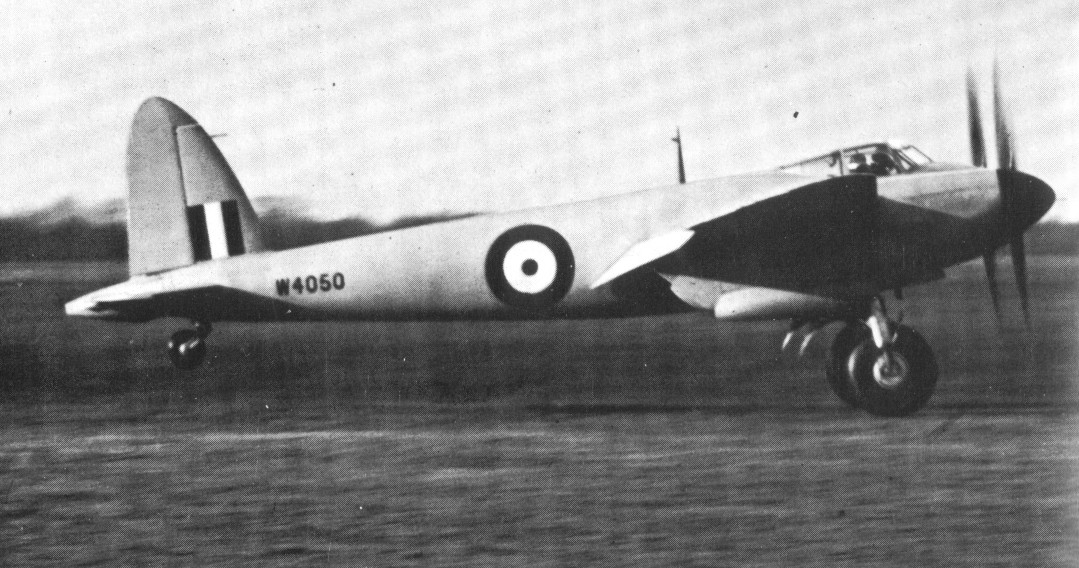
On November 25, 1940, Geoffrey de Havilland Jr. flew the prototype DH.98 Mosquito for the first time. John Walker, who designed the engine installation, accompanied him. The de Havilland Aircraft Museum dates that flight and identifies the surviving prototype, later numbered W4050. The innovation that took off with them was a lightweight, molded wooden fuselage for a high-performance twin-engine aircraft.
A wooden shell shaped in two halves
The word wooden can suggest a framework covered with fabric. The Mosquito’s fuselage was a different proposition. The RAF Museum describes a sandwich of balsa between layers of birch plywood. The fuselage was formed in two halves. The arrangement gave the aircraft a curved outer shell whose material and shape were both part of its structure. Balsa and birch did different jobs in that sandwich. The lighter core separated the stronger outer layers, giving the shell rigidity without requiring the same thickness of solid hardwood.
Building the fuselage as halves also mattered on the shop floor. Workers could reach the inside of each half before the shell was joined. That approach made the shape of the structure part of the production process. The contour was formed in a mold, which helped give the completed fuselage a smooth exterior. The engineering decision belonged to both the aircraft designer and the people who had to construct the airframe.
The November flight and the tests that followed
The first flight was a milestone in a longer test program. The airframe, engine installation and controls all had to work together in flight before the design could be assessed beyond the factory. Walker’s presence is a reminder of how closely the powerplant arrangement was tied to the new airframe. The museum notes that access to Merlin engines had delayed work on the prototype during the emergency following Dunkirk.
Further flights gave the team evidence about how the aircraft performed beyond its initial outing. The museum records that W4050 climbed to 22,000 feet on January 17, 1941. It went to Boscombe Down in February for initial service trials. Those later milestones belong to the same development story, but they answer different questions. The November flight established that the prototype could fly. The subsequent flights gave crews a chance to evaluate the design under a broader range of conditions.
Why the construction was the story
The wood in the Mosquito mattered because it was used deliberately. The aircraft did not simply borrow a familiar building material and substitute it piece by piece for metal. De Havilland selected different woods for different jobs in the same shell, shaped them around the aircraft’s needs, and built an airframe that could be tested as a complete system. The RAF Museum’s account of the materials makes that distinction clear. The prototype’s flight put that combination of material, structure and production method into the air.
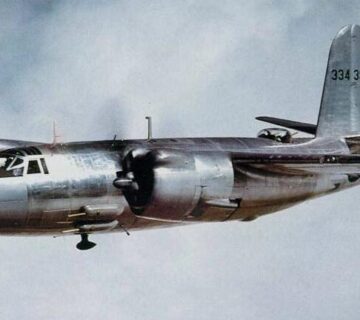
The same date also marks the first flight of the all-metal Martin B-26 Marauder in the United States. The two aircraft were built for different requirements, and their shared debut date offers a reminder that aircraft manufacturers were still pursuing more than one structural approach in 1940. The Mosquito’s significance for this anniversary is the wooden shell. W4050 is a surviving example of that choice, preserved by the de Havilland Aircraft Museum.
Featured photograph: The Mosquito prototype in flight, dated November 25, 1940, by the archive. Royal Air Force photograph via Wikimedia Commons, public domain. The archival file is reproduced unchanged.
Sources
De Havilland Aircraft Museum prototype history
RAF Museum account of the Mosquito’s construction
Prototype photograph and rights record





No comment