
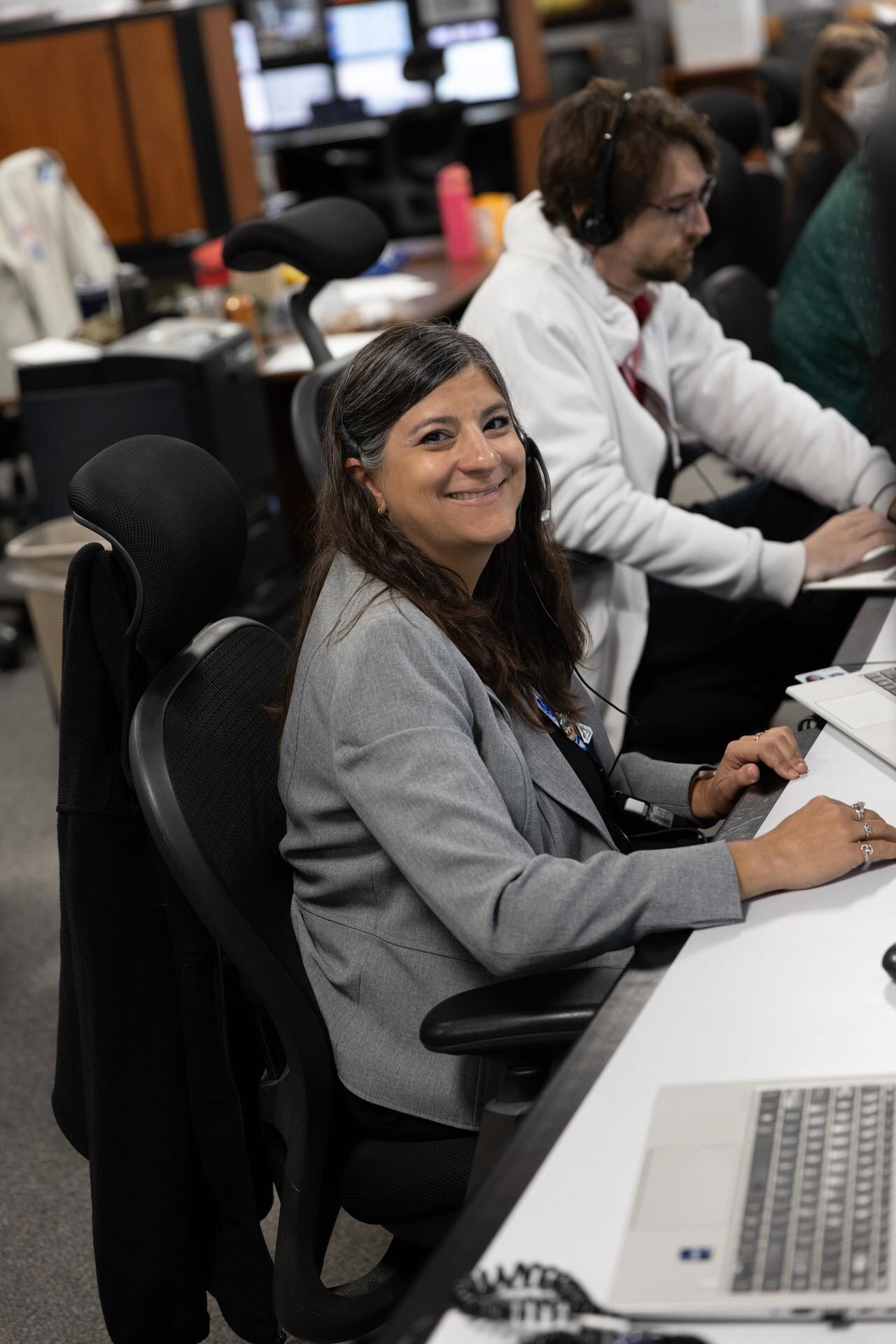
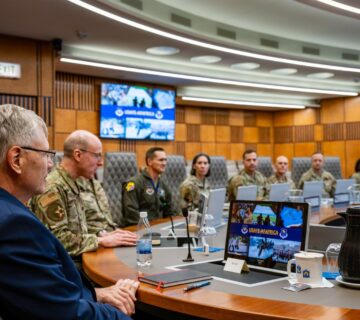
In Firing Room 1 at NASA’s Kennedy Space Center, Lindsey Waitt took part in a simulation of the final stretch of an Artemis III countdown on August 6, 2026. The exercise brought her into the launch control room months after she earned a launch-console certification ahead of Artemis II. NASA’s Kennedy profile of Waitt follows her move into the civil-service launch team and shows her at work during that August rehearsal.
The engineer at the console
Waitt is a test project engineer with NASA’s Exploration Ground Systems Program. The role places her on the team responsible for preparing and conducting launch operations at Kennedy. Months before an astronaut crew arrives on launch day, engineers and operators work through the sequence that brings the launch vehicle, spacecraft and ground systems to the point where they can proceed together.
The photograph from the simulation captures an aspect of rocket launches that is hard to see from a viewing area. The last part of a countdown plays out through a series of decisions made by people at consoles. Those decisions require information about the status of equipment and agreement about when the team can move to its next step. A rehearsal gives the operators time to work through the sequence in the room where they will eventually conduct it.
From Artemis II to Artemis III
NASA reported that Waitt qualified to sit at a launch console during prelaunch and postlaunch operations for Artemis II. She watched that mission depart from outside the control center. She later took a civil-service position on the Artemis launch team after applying through NASA’s insourcing initiative. The agency’s profile describes Artemis III as an opportunity for Waitt to follow the buildup of launch operations from its early stages through the countdown.
The missions give the same ground team different flight objectives to support. NASA’s Artemis III updates describe a planned 2027 test flight in low Earth orbit intended to exercise systems needed for future lunar landings. The mission calls for four astronauts aboard Orion. Their work in orbit follows the work at Kennedy, where the vehicle and crew have to be prepared for departure and the team has to be ready for decisions during the countdown.
What a rehearsal can show
An indoor countdown simulation and the physical preparations on the vehicle answer different questions. Work in a firing room gives operators a chance to practice the sequence of decisions and communications. It also gives a newer member of the team experience with the work at the console in the context of the launch operation as a whole. NASA’s photograph documents that stage of preparation. It shows a simulation in August, before Artemis III’s planned flight.
For readers following Artemis hardware milestones, Waitt’s profile adds a view of the people who will bring those systems into a countdown. A test project engineer’s work starts before the final minutes. By rehearsing those minutes early, the team can see how its responsibilities fit together while there is time to refine the sequence and practice it again.
Sources
NASA Kennedy profile and simulation photograph
NASA Artemis III mission updates
NASA media usage guidelines
Featured photograph by NASA/Clayton Rougelot, KSC-20260806-PH-RCR01_0149.

No comment