
The Aircraft Owners and Pilots Association has welcomed the return of parallel runway departures and touch-and-go training at Centennial Airport near Denver. The FAA approved a safety measure after restrictions introduced in October disrupted flight training and other operations. AOPA’s November 20 statement described the decision, and its November 23 follow-up reported that the new procedure took effect that day.
Why training flights were affected
Centennial serves business aviation and is home to several flight schools. Its two closely spaced parallel runways are part of a larger airfield with a third runway and an extensive taxiway network. The FAA’s airport briefing describes a mix of business jets, helicopters and other general aviation aircraft. The same airfield can be used by a student practicing landings and by a crew arriving from another state.
A touch-and-go lets a pilot practice a landing and takeoff as part of the same circuit. A temporary restriction on those operations affects the way a school can plan lessons. Students may need more time to make the same number of practice approaches or may have to use another airport for part of a lesson. For operators departing Centennial, the suspension of simultaneous parallel takeoffs also changed how two runways could be used during busy periods. AOPA said most pattern work was affected during the restrictions.
How the airport and FAA responded
The Arapahoe County Public Airport Authority said the FAA convened a safety panel on October 27 to examine concerns with simultaneous departures. Airport officials and other local stakeholders took part. AOPA reported that its regulatory affairs vice president, David Boulter, participated. The airport authority identified the FAA as responsible for implementing and monitoring the approved changes.
The approved change uses controller instructions to give departing aircraft diverging paths. It addresses the concern that airplanes using the two parallel runways had drifted toward one another after takeoff. The airport authority’s November 19 statement said it expected parallel departures to begin on November 20. AOPA’s later reporting gave November 23 as the effective date for the new procedure. The earlier notice described an expectation at the time it was issued, while the subsequent AOPA account reported the procedure’s effective date. Pilots should use current FAA information and follow their controller’s instructions.
What the decision means for Centennial
The decision restores training options that had been restricted for several weeks while keeping the FAA’s mitigation in place. AOPA reported that Centennial handles more than 300,000 operations annually. In that setting, the way the tower assigns runways can affect both pilots flying repeated practice circuits and crews using Centennial for a single arrival or departure.
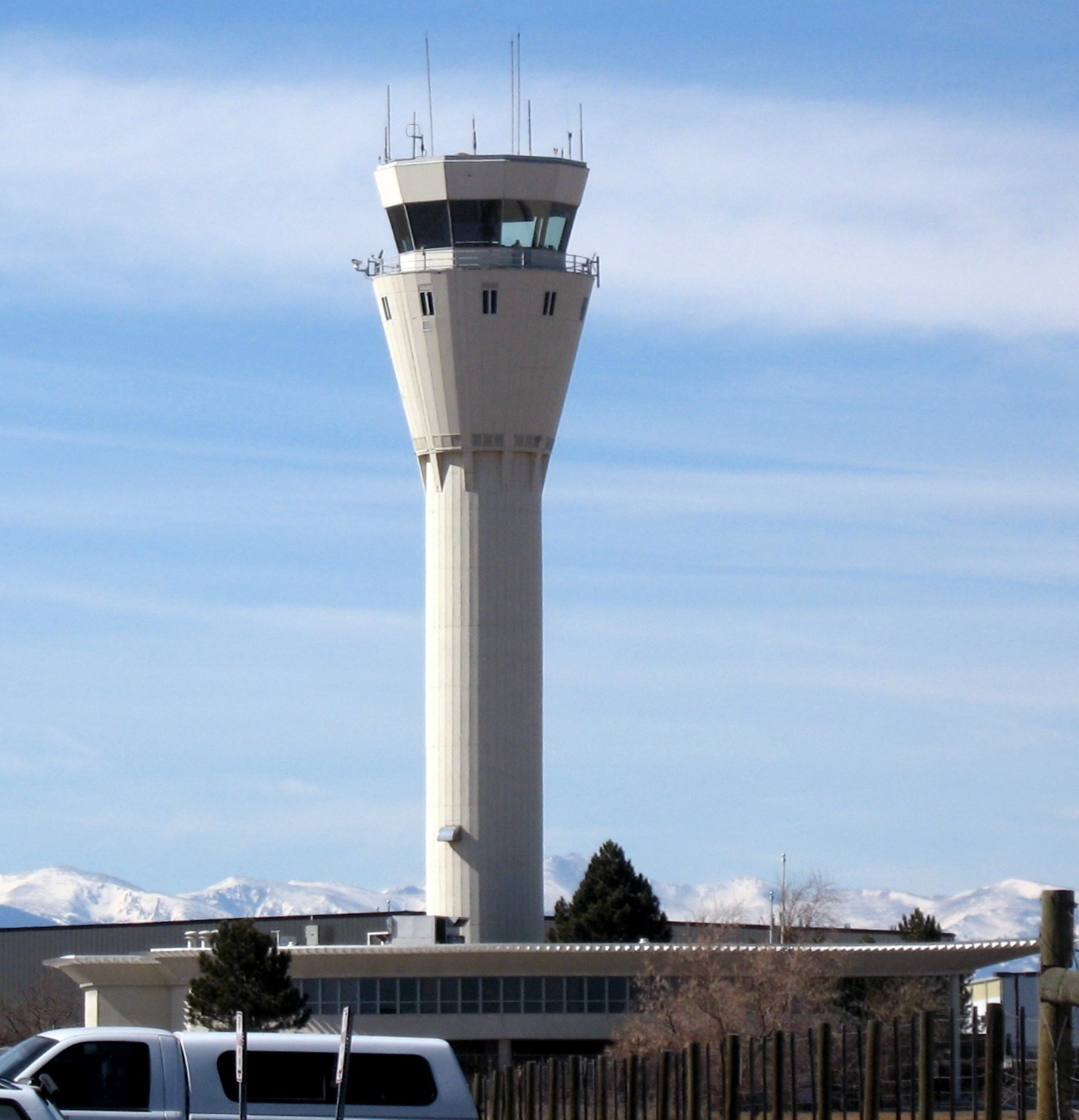
The featured photograph shows Centennial’s control tower in February 2008. It illustrates the facility’s role in managing the airport and is supplied as an archival image. The action described here took place in October and November 2026.
Sources
AOPA statement on the FAA decision
AOPA November 23 follow-up
Centennial Airport Authority update
FAA Centennial Airport briefing
Archive photograph and public-domain record
Featured file photograph by Victor Agababov (Avitya), public domain.






No comment