
Published November 26, 2026
On November 26, 2003, British Airways Concorde G-BOAF landed at Filton, near Bristol, at the end of a flight from London Heathrow. It was the last landing by any Concorde. Captain Les Brodie took the aircraft out over the Bay of Biscay before bringing it back to the area where it had been built and had made its own first flight. Aerospace Bristol’s account of the journey records the pass over the Clifton Suspension Bridge and the arrival at Filton.
One more flight after the schedules ended
Concorde’s departure from commercial service came in stages. British Airways ended its scheduled Concorde flying in October 2003. The November flight had a different purpose. It took an individual aircraft to the place where it would be preserved and drew a line under the flying history of the entire type. The departure airport was Heathrow, familiar from Concorde’s years in airline service. The destination was an airfield tied to its production and testing.
The distinction matters when reading accounts of Concorde’s retirement. The last scheduled services tell the story of the route network and the passengers who used it. The flight to Filton tells the story of how a particular airframe passed from an operating fleet into a museum collection. Brodie’s flight closed that chapter in the air, although it would be years before the aircraft reached its indoor exhibition space.
The last Concorde built
The registration G-BOAF gave the aircraft its familiar name, Alpha Foxtrot, from the final two letters. It was the last Concorde built, according to Aerospace Bristol, and it flew for the first time on April 20, 1979. Its final landing at Filton therefore brought it back to the airfield that had been the starting point of its flying career. The route across the Bristol area linked a familiar local landmark, the Clifton Suspension Bridge, with the industrial site that had helped bring the aircraft into service.
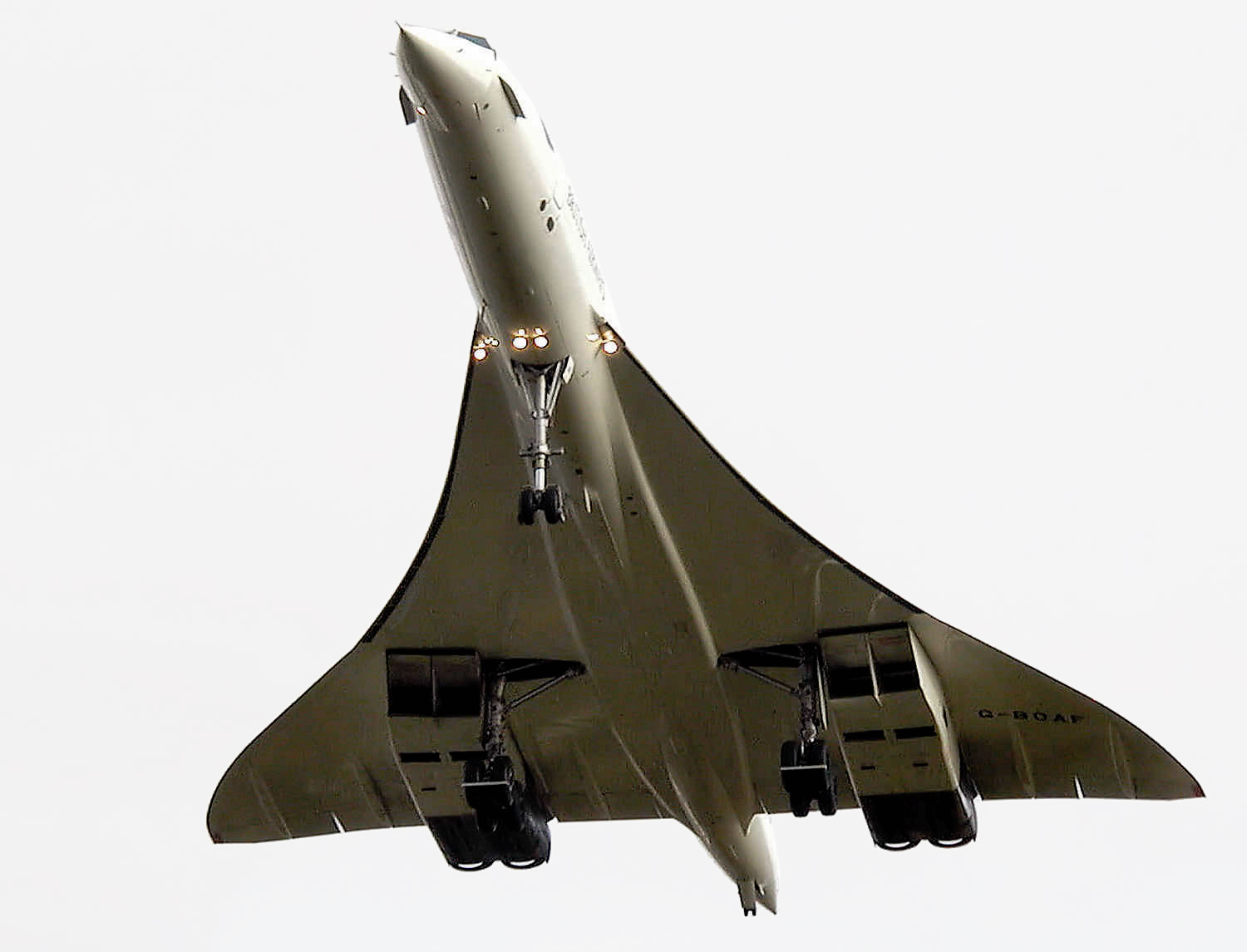
Adrian Pingstone’s photograph records the approach from ground level as the jet passed above the A38. The landing gear is down and the underside of the wing is clearly visible. A viewer looking up from the road saw a very different profile from the one shown in the usual side-on images of the aircraft at an airport gate. From below, the wing dominates the frame. The original photograph also supplies an exact place and date for that view, making it a record of the arrival itself.
From runway to museum
Landing at Filton settled where G-BOAF would spend its retirement, but getting the airframe indoors was a separate project. Aerospace Bristol reported in 2017 that the aircraft had been moved into its new exhibition building. The move was made on the ground. The aircraft that passed over the A38 in 2003 is the same one preserved for visitors today.
The survival of that aircraft helps explain why the Bristol landing is worth remembering on its own. Visitors can stand alongside Alpha Foxtrot and compare its proportions with the photographs from the final approach. The museum can preserve the equipment and the experience of being inside the aircraft. The photograph preserves something a gallery cannot reproduce directly, the sight of an operational Concorde in the air just before it reached the runway for the final time.
Sources
Aerospace Bristol account of the final flight
Aerospace Bristol account of the museum move
Adrian Pingstone photograph and public-domain rights record
Featured photograph by Adrian Pingstone, public domain.




No comment