
Published November 25, 2026
Martin’s B-26 Marauder took to the air for the first time on November 25, 1940. The aircraft was a B-26-MA with Army Air Corps serial number 40-1361. The National Museum of the U.S. Air Force identifies it as the first production B-26 and dates an archival photograph of it to the day of the flight. An aviation chronology places the takeoff at Middle River, Maryland, and identifies Martin engineer and test pilot William Kenneth Ebel as the pilot.
A production aircraft takes the first flight
The designation in the museum’s caption is significant. The airplane flown that day was the first example of the production series. The Smithsonian National Air and Space Museum’s history describes the B-26 as a streamlined, all-metal, twin-engine monoplane ordered by the Army in September 1940. The first example flew in November of the same year. Those milestones put the Army’s order and the start of flight testing only weeks apart.
The test crew included copilot Ed Fenimore and flight engineer Al Malewski, according to the aviation chronology. Their flight made the initial transition from a machine assembled on the ground to an airplane that could be evaluated in the air. The record of that November flight gives the production type a specific starting point, down to the individual aircraft and its serial number. That detail distinguishes the first flight from the later service history often associated with the Marauder name.
What the later aircraft reveal
The Smithsonian preserves a surviving Marauder known as Flak-Bait. Its history gives the first-flight anniversary a later point of comparison. The aircraft that left the runway in 1940 began the flight history of the type. A surviving aircraft such as Flak-Bait helps historians and conservators study how the design was built and used after production got underway. The airframes have different histories, even though they share the same basic designation.
The Smithsonian’s project treats the airplane as physical evidence of its service. Its history places the Marauder among the industrial products that mattered to the wartime effort. Seen against that later record, the November 1940 flight marks the moment the design became a flying airplane. The Army had ordered an all-metal bomber, and the crew at Middle River took the first production example into the air while the United States was still more than a year away from entering the war.
The anniversary and the archive
The Air Force museum’s first-flight caption and the Smithsonian’s production history answer different questions about the same aircraft. One fixes the anniversary to November 25 and identifies the serial number. The other explains why the airplane was already a production example when it first flew. Together they help place the event in a story that would continue through the war and eventually into a museum conservation project.
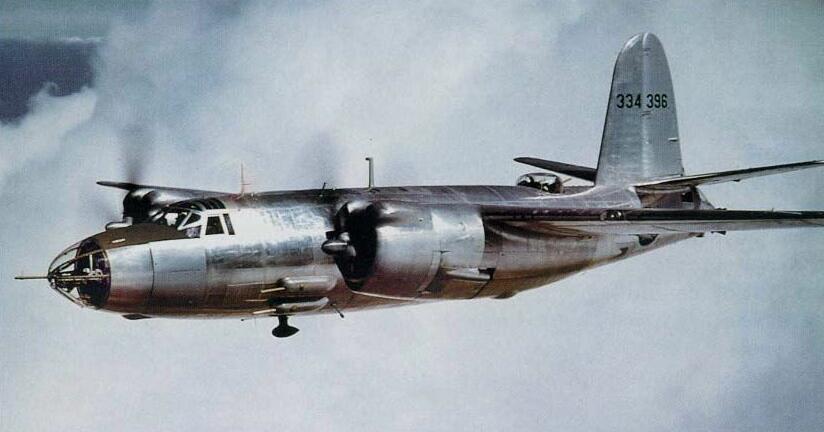
The featured photograph shows a Martin B-26 in flight and comes from the U.S. Air Force archive. It illustrates the type and is separate from the museum photograph dated to the first flight. Image source and public-domain notice.
The anniversary belongs to the aircraft’s first flight. Its later reputation came from the people who flew, maintained and preserved the Marauder after that first production airplane left the ground. Keeping the dates and individual aircraft distinct makes it possible to follow that longer history without confusing the evidence from different stages of the program.
Sources
National Museum of the U.S. Air Force photo gallery and first-flight caption
Smithsonian National Air and Space Museum B-26 history
First-flight chronology and crew
Featured photo and rights record




No comment