
Published November 21, 2026
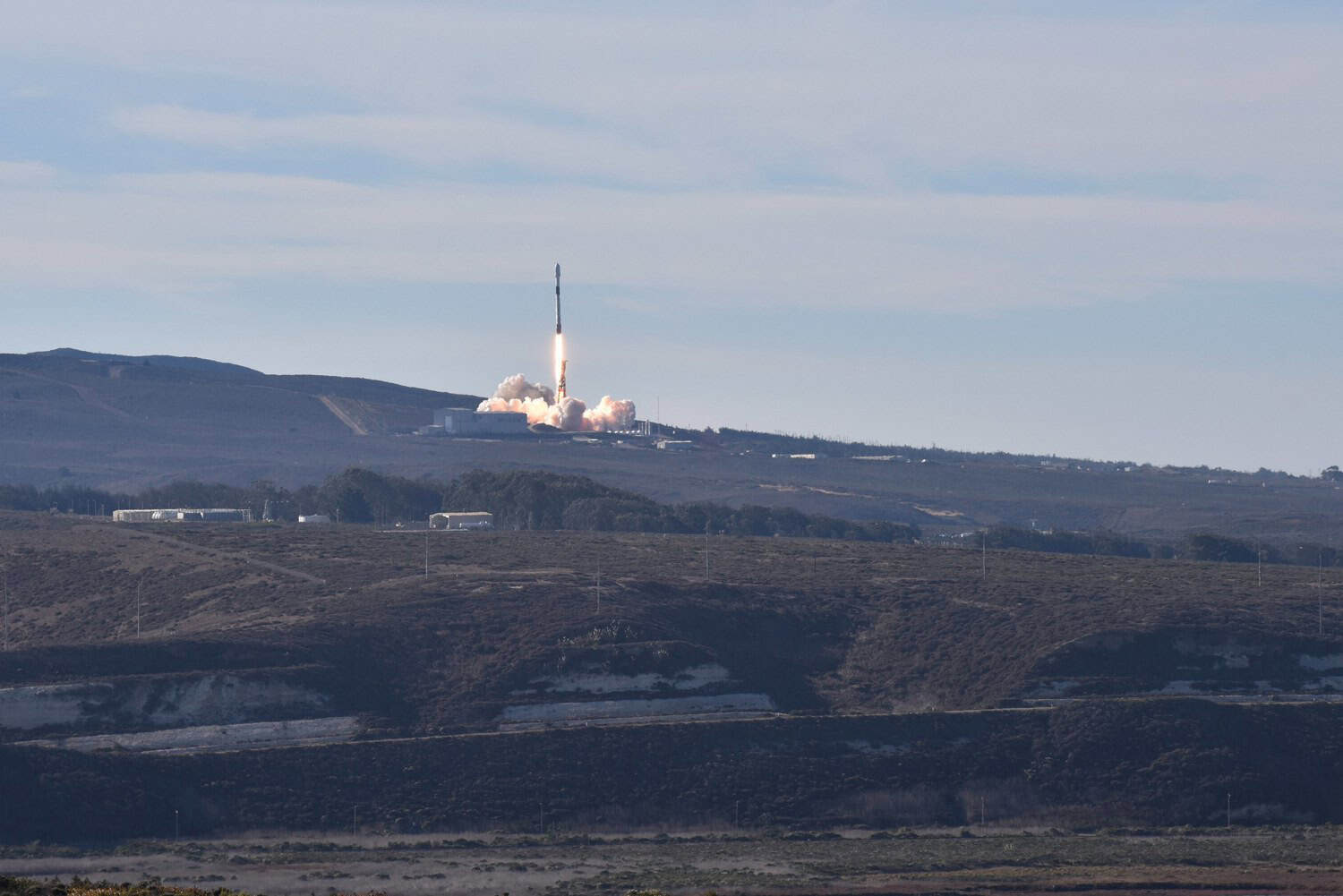
A Falcon 9 lifted off from Vandenberg Air Force Base at 9:17 a.m. Pacific time on November 21, 2020, carrying the Sentinel-6 Michael Freilich satellite. The launch ended with two different arrivals. The first stage returned to Vandenberg for a vertical landing, while the upper stage carried the satellite into orbit and released it. NASA reported that the spacecraft unfolded its solar arrays and that controllers picked up its signal after separation.
Two destinations on one flight
The rocket’s stages went their separate ways after the initial climb. The first stage flew back to the same base it had launched from. NASA reported the vertical landing during its launch coverage. The second stage had a different job. It continued the flight until the spacecraft could separate in orbit. A successful landing recovered the booster, while a successful separation gave the satellite a chance to begin its own mission.
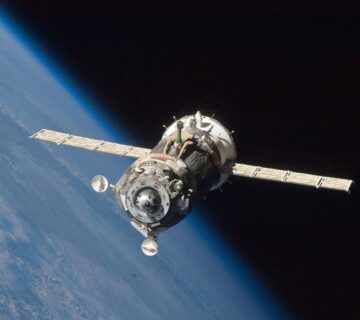
The next confirmation came from the spacecraft itself. After releasing from the rocket, Sentinel-6 Michael Freilich deployed its solar arrays and radioed back. Ground teams used the signal to read the first reports on the satellite’s health. These were early checkout milestones. The work of measuring the oceans would begin after the spacecraft was established in orbit and its instruments could be prepared.
A new spacecraft for a long-running measurement
NASA described the intended coverage as about 90 percent of the world’s oceans, with sea-level measurements down to the centimeter. The satellite’s job was to extend a record that scientists could use to study how sea level changes over time. The Space Force’s launch archive identifies the spacecraft as the first of two Sentinel-6 satellites intended to go into orbit about five years apart.
That long view explains why continuity mattered. A single mission can reveal where ocean height varies, but measuring change over years depends on repeated observations that scientists can compare. The new spacecraft had to join that work before the prior observing record lost continuity. The flight from Vandenberg was the first step in putting the new instrument into that chain of measurements.
The name on the spacecraft
The mission was named for Michael Freilich, a former director of NASA’s Earth Science Division who helped advance ocean observations from space. NASA reported that members of his family and friends attended the launch. On November 21, the flight delivered the spacecraft that carried his name into orbit and brought Falcon 9’s first stage back to the California coast.
Sources
NASA Science — launch, satellite separation and initial contact
NASA Science — first-stage landing
Featured photograph: U.S. Space Force photo by Tech. Sgt. Brittany E. N. Murphy, DVIDS 6432389. Public domain.

No comment