
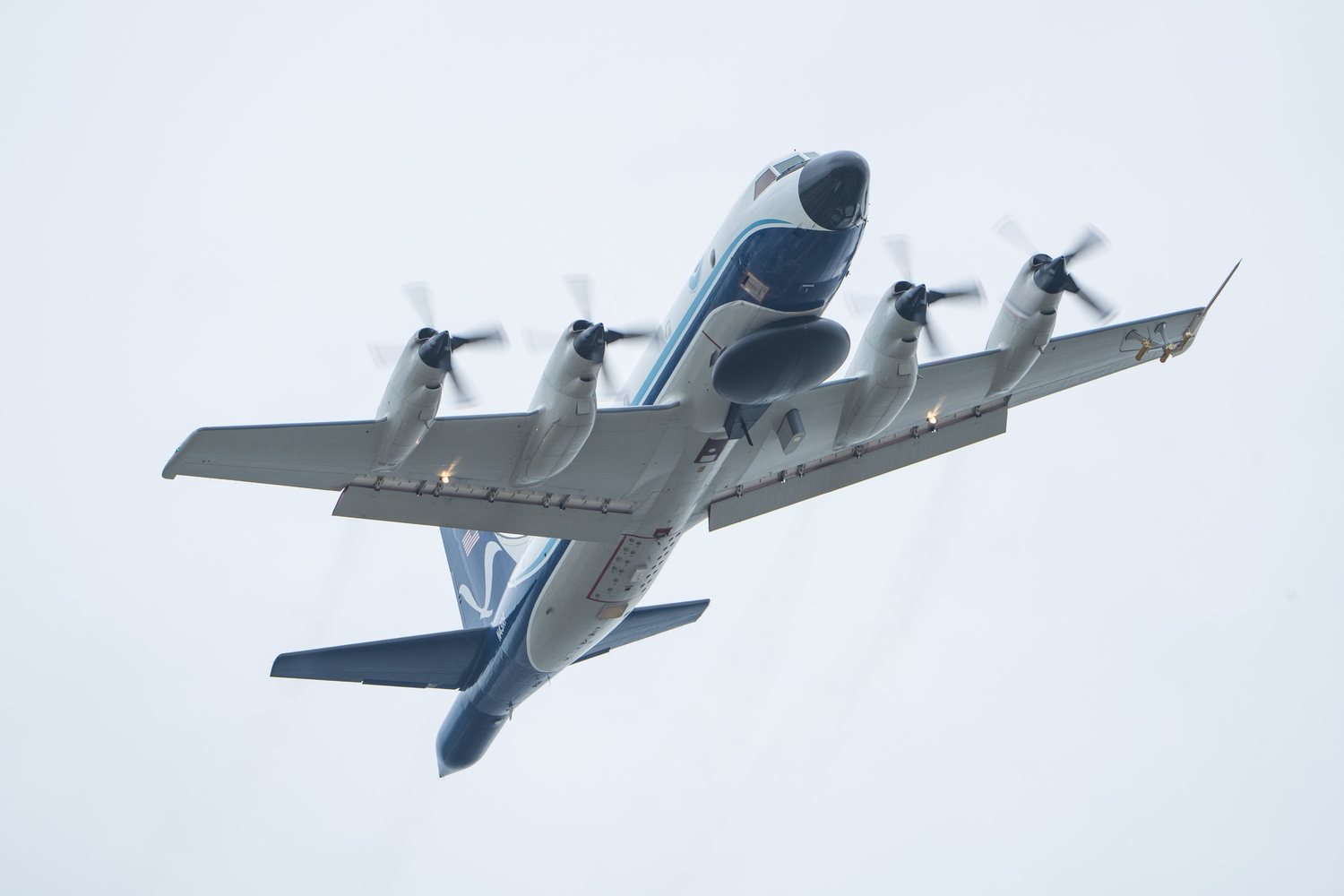
The National Oceanic and Atmospheric Administration has selected three universities for the first group of its Cooperative Aviation Centers, creating a new path for students to gain aviation experience tied to the agency’s aircraft and NOAA Corps missions.
The 2027 partners are the Florida Institute of Technology, the University of North Dakota and Kansas State University Salina, NOAA’s Office of Marine and Aviation Operations announced Nov. 10. NOAA says students accepted into the program will receive aviation mentorship, participate in flight simulator training and complete a fully funded summer internship at the NOAA Aircraft Operations Center in Lakeland, Florida. The selection establishes the first university cohort; it does not guarantee that a participant will be appointed to the NOAA Corps or assigned as an aviator.
The new partnership is intended to help NOAA build a pipeline of qualified aviation professionals while giving participating universities a closer connection to the work performed by the agency’s aircraft fleet. The announcement arrives as the program moves from its planning phase toward university participation and student applications, which NOAA says are expected to open in spring 2027.
Three aviation programs join the 2027 cohort
NOAA identified Florida Tech, UND and Kansas State University Salina as the inaugural participating institutions. They bring different aviation training environments into a program designed around the agency’s need for pilots with science, technology, engineering and mathematics backgrounds. The schools will provide the academic setting; NOAA will add mission exposure and access to its aircraft operations professionals.
NOAA’s program page describes the Cooperative Aviation Centers as a collaboration with accredited collegiate aviation universities. The agency says participating students may be integrated into real NOAA flight operations and scientific missions, including aerial data collection, hurricane reconnaissance and maritime surveillance. That operational connection distinguishes the program from a conventional flight-training pathway: students can learn how aviation supports public science and operational services, not only how an aircraft is flown.
The three schools were selected for 2027 after meeting NOAA’s eligibility requirements. The agency has not published a public breakdown of each school’s application score or the comparative selection criteria in its announcement. It has, however, listed common student opportunities and the role it expects to play through aircraft and personnel support at university recruiting events, career fairs and aviation activities.
How the student path is structured
NOAA’s current description places the program within the undergraduate years. Students interested in the center apply in the spring of their sophomore year. Those accepted are expected to begin the program in the fall of their junior year, where they will be paired with an active-duty NOAA Corps officer for one-on-one aviation mentorship and professional development.
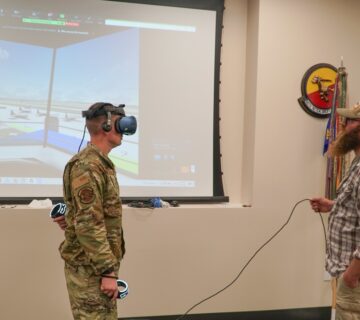
Before senior year, participants are scheduled for a 10-week summer internship at the NOAA Aircraft Operations Center in Lakeland. NOAA says the internship is fully funded and may count toward a student’s degree credit. The agency’s Cooperative Aviation Center FAQ also lists simulator training and mentorship as program benefits and describes the internship as a chance to work in an aviation operations environment.
The sequence is designed to combine a university’s existing aviation curriculum with agency exposure. The FAA, universities and private operators use many different routes to prepare pilots, but NOAA’s program focuses on a comparatively specialized public-service role: flying aircraft that collect environmental information and support forecasting, research and response missions. Student experience in that setting can show how flight planning, crew coordination, instrumentation and mission requirements intersect.
The path remains competitive. NOAA’s earlier description says participants who complete the program will be highly competitive for selection to become NOAA Corps aviators, but it does not promise a commission, a particular aircraft assignment or a job. The agency’s FAQ identifies several aircraft that NOAA Corps aviators may operate depending on assignment, including Twin Otters, Beechcraft King Airs, Gulfstream G-IVs and Lockheed P-3 Orions.
What NOAA aircraft do
NOAA’s aircraft are working platforms for collecting measurements that support the agency’s weather, climate and ocean missions. The agency describes aircraft operations that include hurricane reconnaissance, atmospheric research, coastal mapping, emergency response tracking, flood prediction and marine mammal surveys. Different aircraft are suited to different mission profiles: NOAA’s WP-3D Orions can sample conditions at lower altitudes, while its G-IV operates higher in the atmosphere to gather information around developing storms.
Those missions require more than piloting skill. Crews coordinate with meteorologists, engineers and researchers; use aircraft systems to deploy or operate instruments; and execute flight profiles shaped by scientific goals and safety constraints. NOAA’s public description of the centers emphasizes exposure to actual flight operations and scientific missions, though it does not specify which aircraft or missions each university cohort will visit or support.
That distinction matters for students evaluating the opportunity. A summer internship at the Aircraft Operations Center offers a defined period of hands-on exposure, but the announcement does not say that students will serve as flight crew or act as operational pilots during the internship. NOAA describes the placement as experience in the cockpit and at the center; specific duties and flight opportunities would depend on program rules, training, qualifications and mission needs.
A program built into federal law
The Cooperative Aviation Centers have a statutory foundation. Federal legislation authorizes NOAA to designate one or more centers to recruit aviators for the NOAA Commissioned Officer Corps from institutions that offer four-year baccalaureate programs. The law gives the agency a mechanism to formalize university partnerships, while NOAA’s current selection announcement identifies the first three institutions chosen under the program.
NOAA said students should apply in spring 2027. The agency’s public pages do not yet provide a complete application calendar, enrollment cap, academic requirements for each campus, or a guarantee of placement after graduation. Prospective students will need to check with the participating universities and NOAA’s program materials as application details are released.
The 2027 selections give the initiative a concrete starting point: three university partners, a planned student application window and a NOAA internship component based in Lakeland. The longer-term measure will be whether the partnership helps NOAA recruit students who can move from academic aviation training into the agency’s specialized flight operations. For now, the announcement establishes the structure and names the institutions; the agency has not yet reported enrollment numbers or outcomes from a graduating cohort.
Sources
- NOAA Office of Marine and Aviation Operations: 2027 university selections
- NOAA Cooperative Aviation Centers program overview
- NOAA Cooperative Aviation Center FAQs
- NOAA: “A new path to becoming a NOAA pilot,” Aug. 5, 2026
- Public Law 118-42, Cooperative Aviation Centers authority
- Archival image: DVIDS photo 7943723, NOAA WP-3D Orion over MacDill Air Force Base, July 27, 2023


No comment