
Lockheed Martin and the U.S. Air Force said they completed a flight test of the developmental Mk21A reentry vehicle on November 4, 2026. The unarmed vehicle was launched over the Pacific Ocean from Vandenberg Space Force Base in California, according to the company’s release.
The announcement describes the Mk21A as a next-generation reentry vehicle intended for the future Sentinel intercontinental ballistic missile system. The vehicle is an element of the program’s payload architecture; the November test was a developmental flight test, not a report of an operational deployment.
What the company reported
Lockheed Martin said the flight demonstrated the maturity of the vehicle’s architecture and validated reentry technologies. The company also said engineers will use data from the test to inform design refinements and future testing as the program moves toward a system-level critical design review.
The release places the test within a broader modernization effort for the land-based portion of the U.S. strategic nuclear deterrent. It does not provide detailed flight telemetry, test criteria, or a technical assessment of individual components. Those details are not necessary to understand the public significance of the announcement: the vehicle completed another developmental test, and the program will use the results to guide its next design and review steps.
A development program, not an operational launch
The distinction between a development test and an operational mission matters. The test vehicle was described as unarmed, and the release characterizes the Mk21A as developmental. The announcement therefore concerns engineering progress and testing activity. It does not say that the new vehicle has entered service or that the Sentinel system is operational.
Lockheed Martin said the contract supporting the work is valued at more than $1 billion. It also described digital engineering and modeling as tools used to speed development and apply information from earlier tests. The company did not publish a detailed schedule for the next flight or a date for the critical design review.
Vandenberg’s role
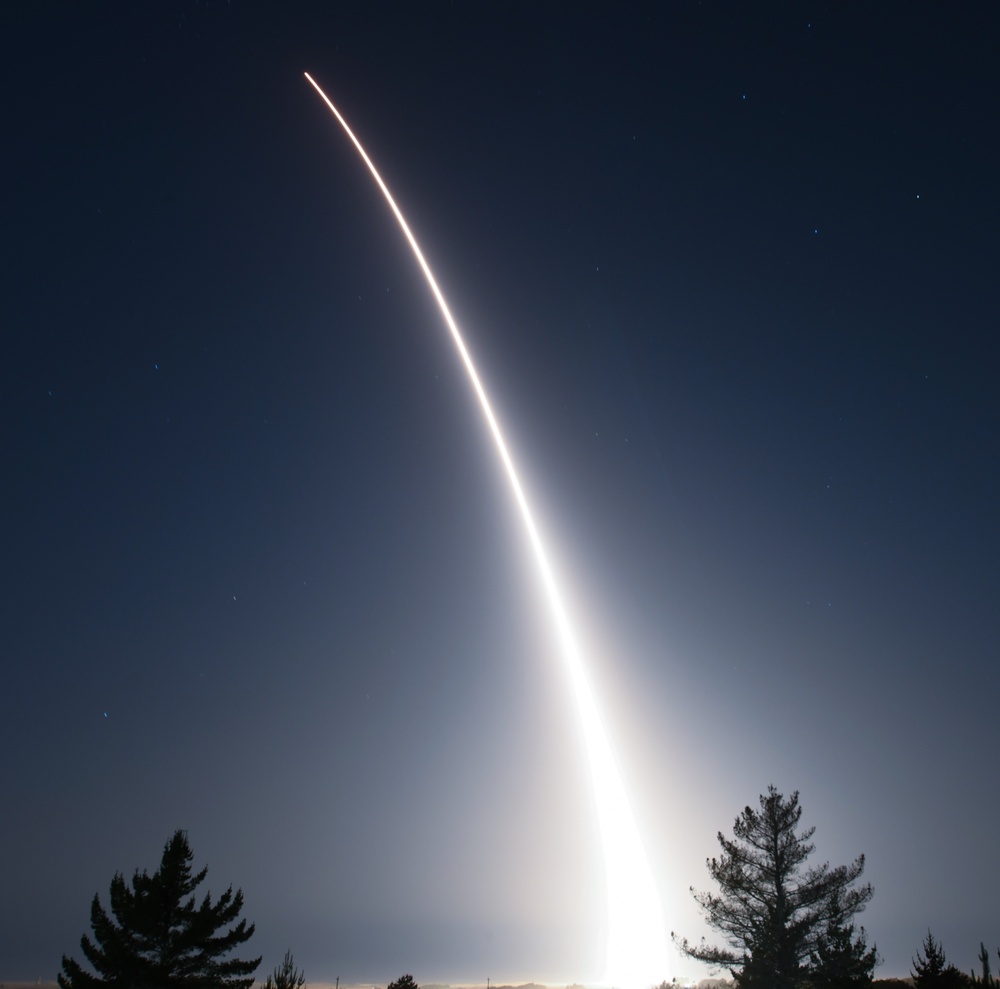
Vandenberg Space Force Base, on California’s Pacific coast, is a U.S. launch and test range. The November announcement identifies it as the launch site for this flight. A separate U.S. Space Force photo record documents an earlier Minotaur I launch carrying an unarmed Mk21A vehicle from Vandenberg in June 2024. That archival image is used here for context; it does not depict the November 2026 test.
The 2024 photograph shows the kind of range activity associated with a prior Mk21A test, but the two events should not be conflated. The image caption and credit below identify its actual date and photographer. The November 2026 flight details in this report come from Lockheed Martin’s November 4 announcement.
What comes next
According to Lockheed Martin, data gathered during the flight will support continuing design work and future tests. The company’s statement connects that work to the program’s planned system-level critical design review. It does not state that the review has occurred, nor does it provide a completion date for the development program.
For now, the publicly confirmed milestone is the completion of the unarmed developmental flight test. Further progress will depend on how program teams assess the test data and complete the remaining design, review, and testing work. SkyLord will update this report if the Air Force or Lockheed Martin releases additional verified information.

No comment