
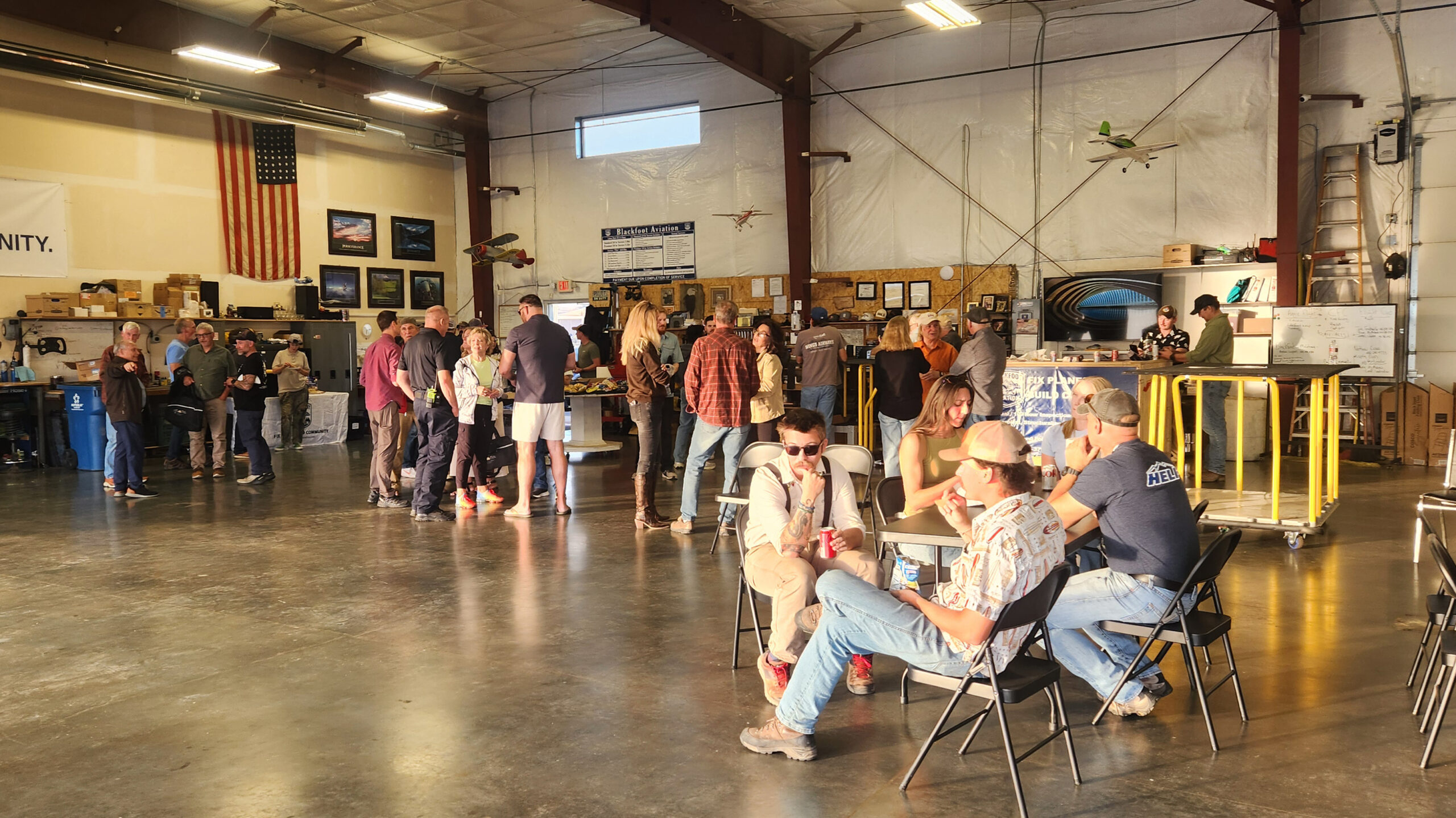
The AOPA Foundation’s Flying Clubs Initiative has helped form its 300th club, a milestone reached by a community of 30 pilots in Missoula, Montana. Lake Missoula Flight Club was recognized in October after its members brought together five airplanes, shared costs and a local aviation network that founders said had been missing for years.
The club is based at Missoula Montana Airport and opened to members in August 2025. Its fleet includes two Cessna 150s, a Grumman AA-1C Lynx, a Piper Tri-Pacer and a Cessna 182. AOPA acting co-president Katie Pribyl and members of the association’s flying-club team visited for the milestone celebration and presented a banner.
Sharing the cost of access
Flying clubs give members access to aircraft while dividing many of the fixed costs of ownership. Hangar rent, insurance and maintenance do not fall in proportion to how often one person flies; a club spreads those expenses across a group. Members still need to coordinate scheduling, dues, maintenance and operating rules, but the arrangement can make aircraft access more practical for pilots who do not want to own a plane alone.
Lake Missoula’s founders had discussed creating a club for several years. Joe Featherly, one of the co-founders, said he began looking for a way to build a local group after purchasing a hangar at the airport in 2018. In 2025, he and fellow founder James Wasem began organizing the effort, drawing on Featherly’s aircraft and Wasem’s project-management background.
The group formed as a nonprofit social club and later registered with AOPA. Wasem said the association’s guidance helped the founders work through the legal and organizational questions involved in setting up a club. The group grew to 30 members, ranging in age from 22 to 75, with a mix of experience and goals.
A network beyond one airport
AOPA’s initiative began in 2015 and has helped establish flying clubs in 45 states. Reaching 300 clubs reflects a model built around local groups rather than one national fleet: each club organizes aircraft, membership and rules around the needs of its home airport.
For members, the benefit can extend beyond the airplane. Lake Missoula members described the club as a way to find flying partners, regain currency and become part of a community. Some are working toward professional aviation careers; others are looking to keep flying accessible over the long term.
The club’s story also shows the work behind a seemingly simple idea. Its founders had to select aircraft, create bylaws, set dues, arrange insurance and bring members into agreement. The 300th-club marker recognizes the result, but the ongoing value will depend on keeping those shared responsibilities manageable and the aircraft flying.
Photo: Members and guests gather at Lake Missoula Flight Club’s hangar during the AOPA milestone celebration. Photo by Katrina Shull/AOPA.
Sources: AOPA Foundation press release on its 300th flying club and AOPA’s feature on Lake Missoula Flight Club.



No comment